
Red Light Therapy Panels
I design these panels and have them manufactured to my specifications, selecting wavelengths based on current photobiomodulation research and what I've seen produce results in my clinical practice. Each device balances activating power with penetration depth — shorter red wavelengths for surface and localized treatment, longer near-infrared wavelengths for reaching deeper tissues and systemic effects. The result is clinical-grade output at a fraction of the cost of the big brand names.
New to red light therapy? Read the Usage Guide for setup, session guidelines, and safety.
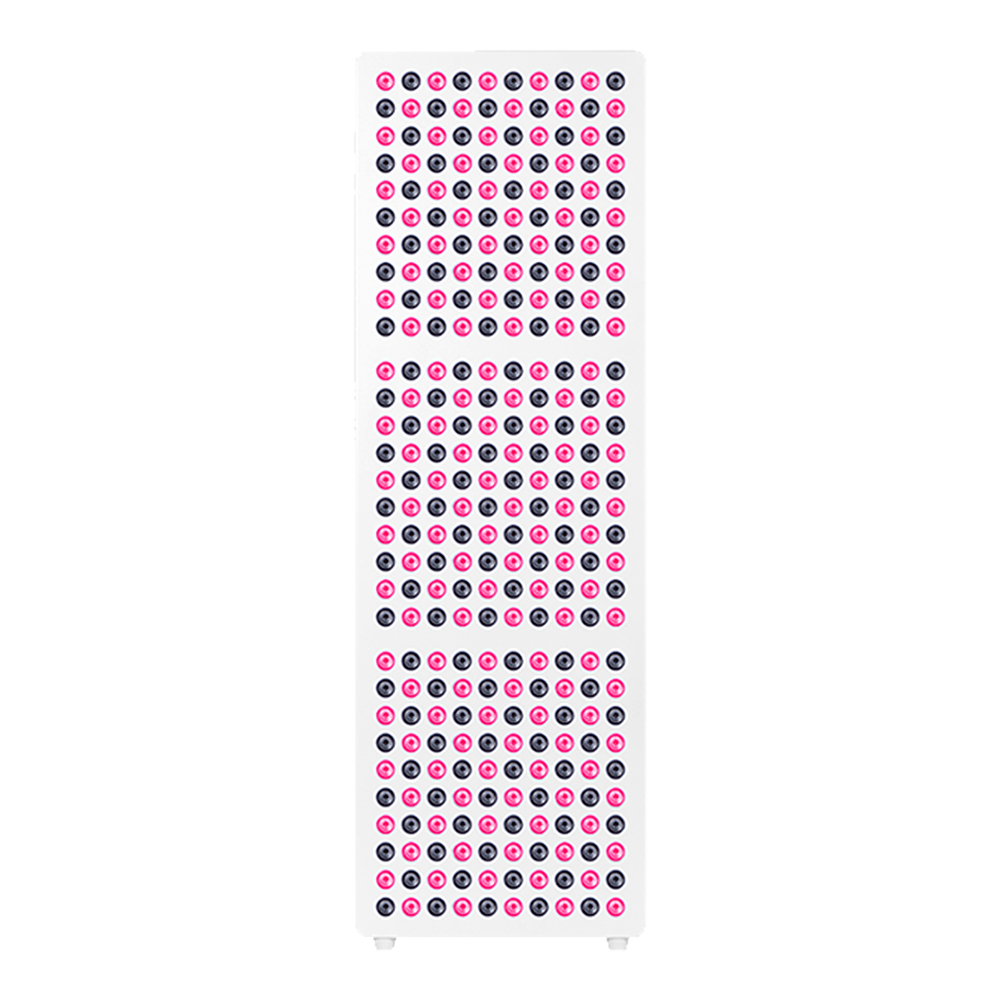
1500W Full-Body Panel
$950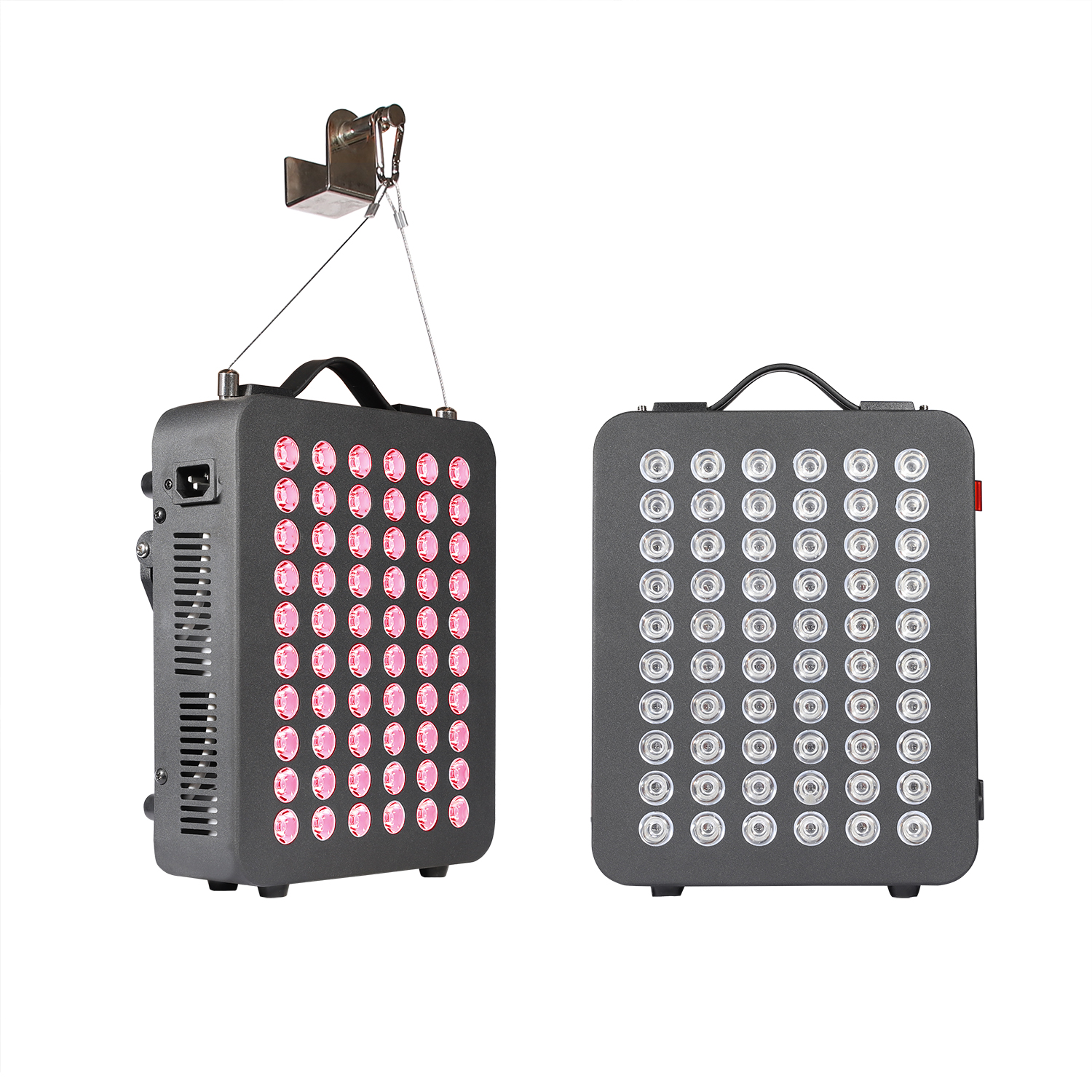
300W Panel
$325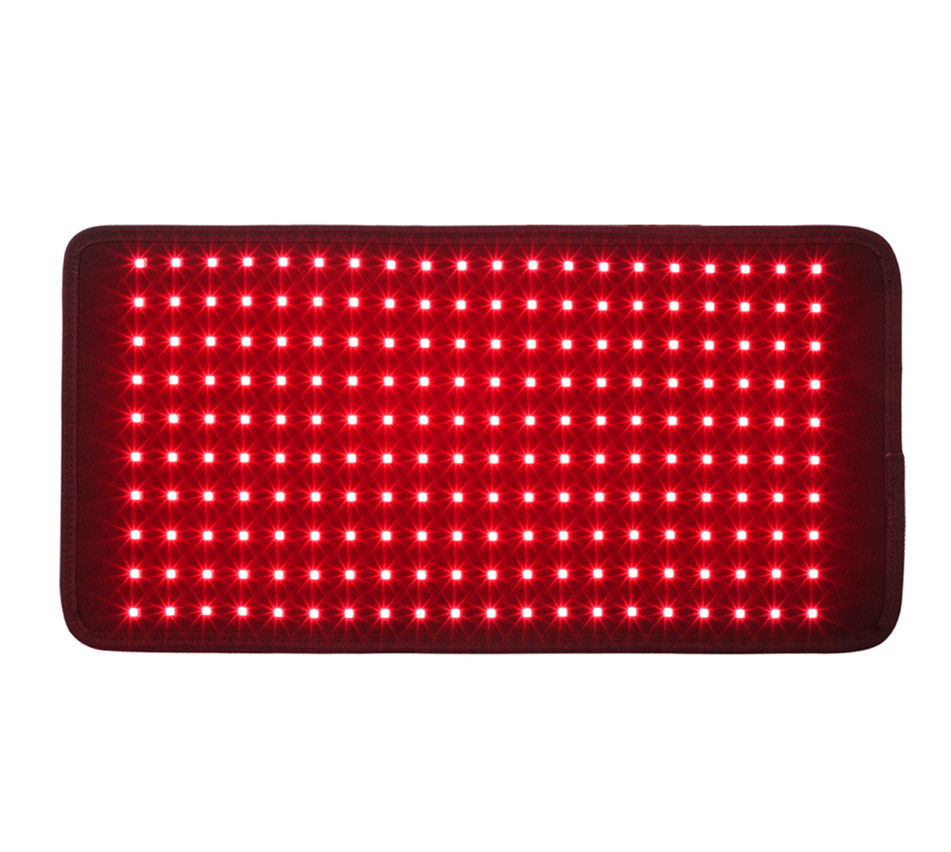
Big Belt
$425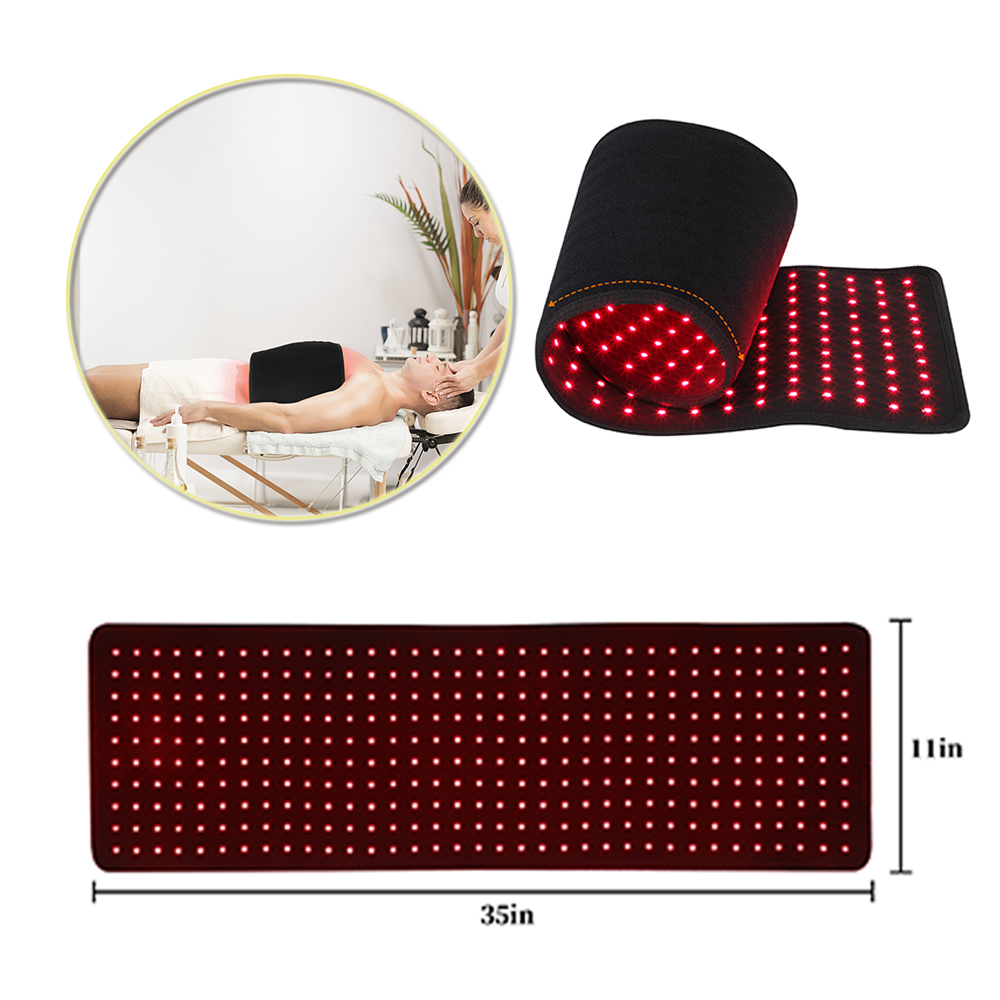
Small Belt
$225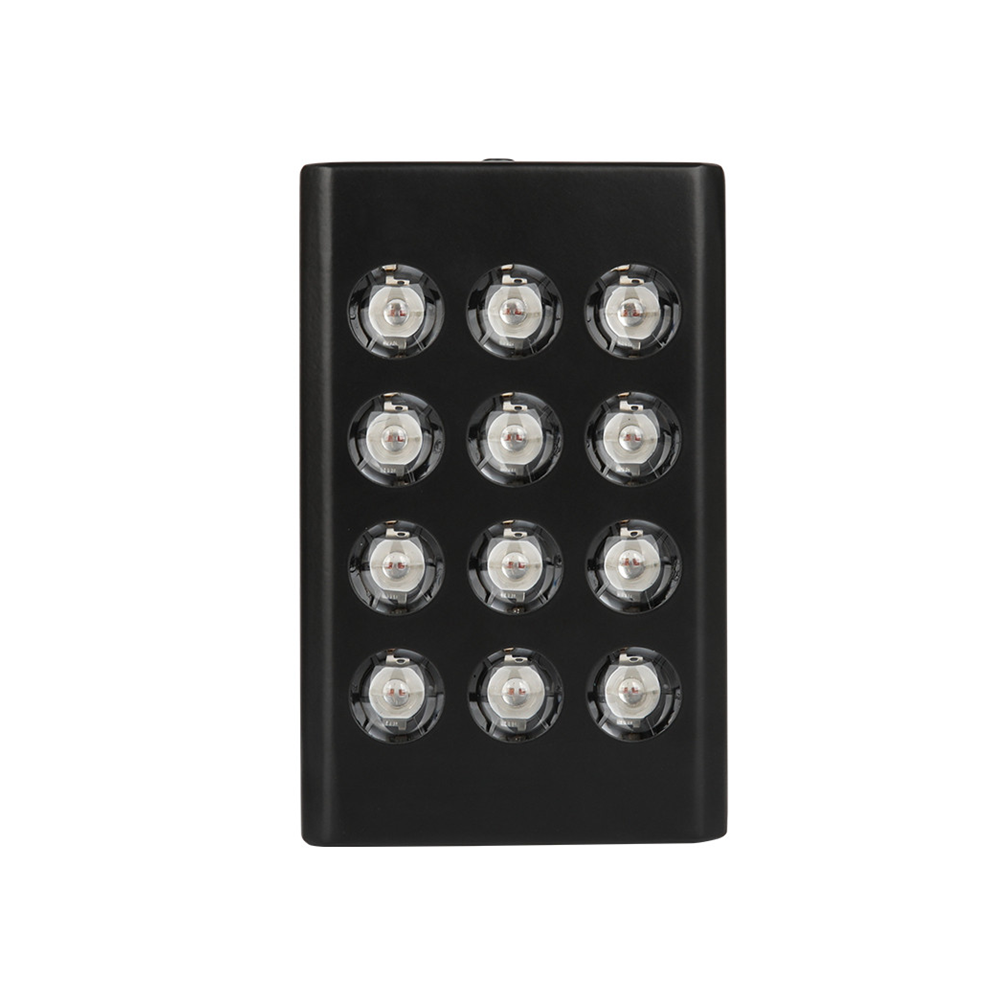
Mini
$175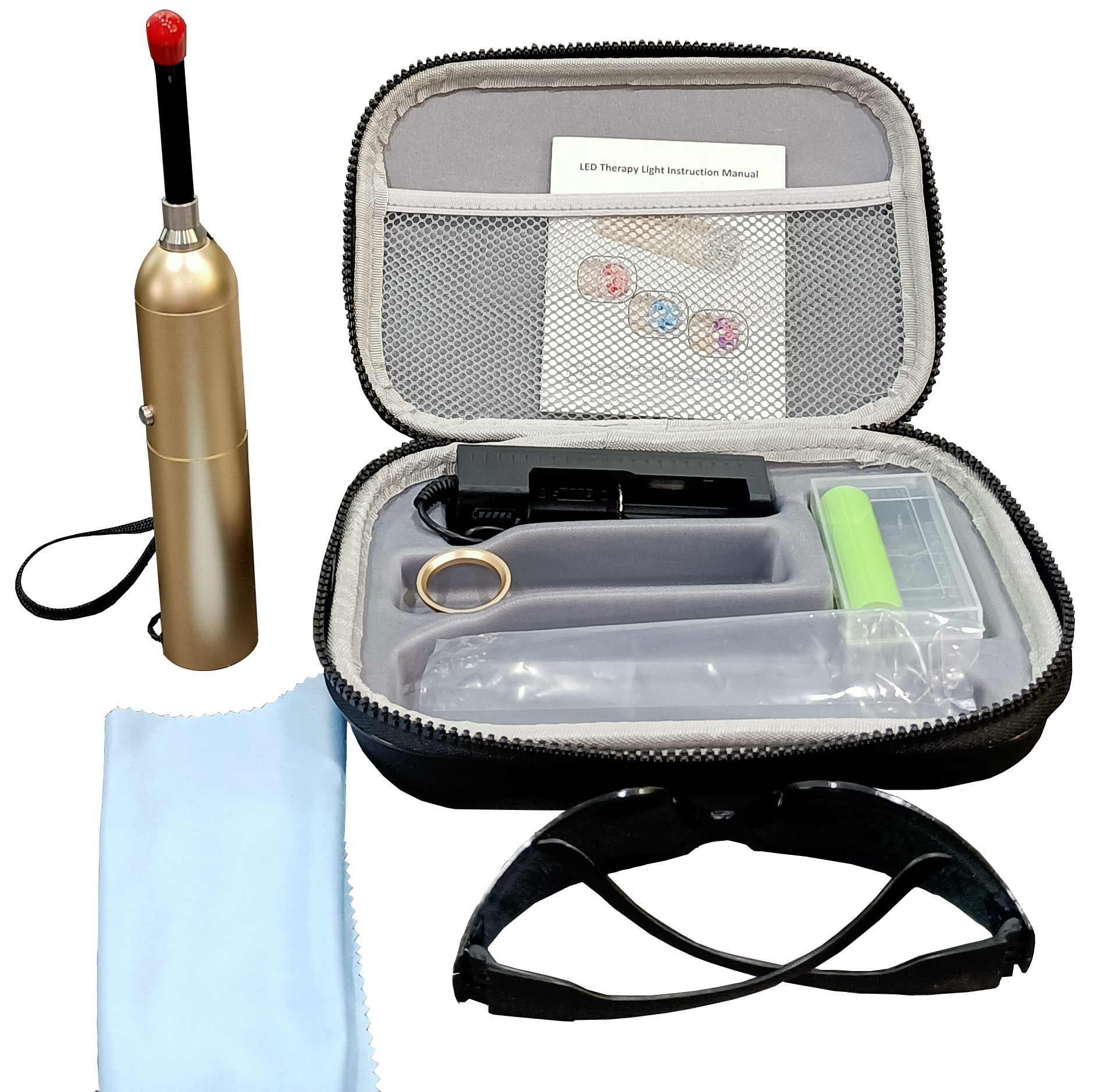
Torch
$140A Note on Irradiance Numbers
The irradiance values listed above are measured with a solar power meter, which is the standard tool most manufacturers use to generate their published specs. Solar meters consistently read about 2.5–2.6x higher than an optical spectrometer measuring the same device at the same distance.
A spectrometer measures the actual spectral power distribution — how much energy is delivered at each wavelength. A solar meter measures total broadband power density, calibrated for sunlight rather than narrow-band LEDs. The result is an inflated number that looks good on a spec sheet but overstates what your tissue actually receives.
For a more accurate picture, divide the solar meter values by 2.6. The 192.5 mW/cm² reading on the 1500W panel corresponds to roughly 74 mW/cm² by spectrometer — still strong clinical-grade output. Most companies in this space publish only the solar meter number because it looks bigger. I use it here because that's the measurement tool I have, but I want you to know what the number actually means.
Want to see the panels in person before you buy?