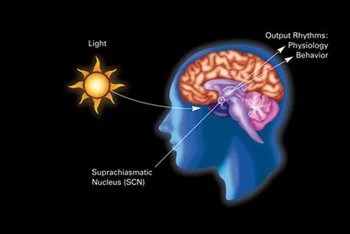
Circadian Rhythm
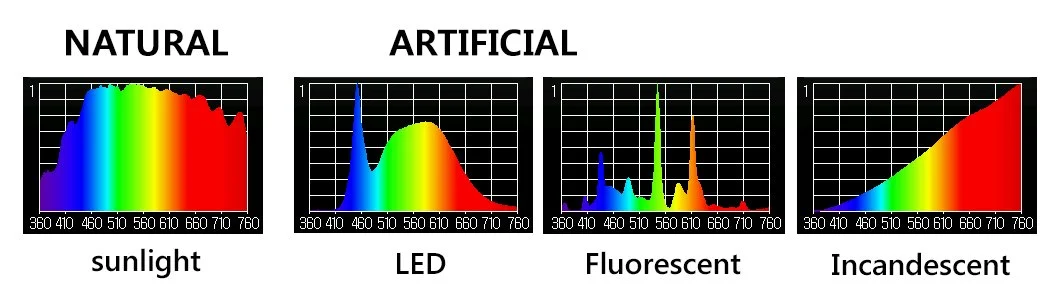
The 2017 Nobel Prize in Medicine was awarded for the discovery of a circadian clock mechanism in our brain that regulates the function of every cell in our body. This breakthrough revealed the intricate molecular basis of our biological clock, providing insights into how it governs our sleep-wake cycles, hormone production, body temperature, and orchestrates the timing of various critical physiological processes, such as digestion and immune responses. Understanding this internal clock has had profound implications for medicine and health, highlighting how disruptions in circadian rhythms—caused by artificial light exposure, irregular sleep patterns, and a lack of natural sunlight—can lead to a wide range of health issues, including sleep disorders, metabolic diseases, and other chronic conditions. This groundbreaking research highlights the importance of maintaining a healthy balance of light exposure and consistent daily routines to support optimal circadian function and overall well-being.